
The case for smarter collaboration, stronger relationships, and creative partnerships that punch above their weight.
Big ideas don’t require big agencies. They require the right people.
When choosing a marketing or creative agency, it’s tempting to think bigger automatically means better. More employees. More offices. More departments. More impressive conference rooms. But does a bigger agency actually mean better work? Not necessarily.
Today’s brands need more than an impressive agency roster. They need strategic thinkers, creative problem-solvers, responsive partners, and teams that understand how to turn business challenges into measurable opportunities. That’s where boutique agencies can make a big difference.
What Is a Boutique Agency?
A boutique agency is an independently operated or smaller-scale marketing, advertising, or creative firm that typically emphasizes personalized service, direct collaboration, and flexible delivery.
Unlike large agency networks with multiple organizational layers, boutique agencies often operate with streamlined teams, giving clients closer access to the people developing their strategies and executing their work.
But don’t confuse boutique with basic. The right boutique agency can bring together brand strategy, creative development, digital experiences, content, campaign execution, and integrated marketing capabilities—all without the unnecessary complexity.
And while some boutique agencies specialize in specific industries, others work across sectors, bringing fresh perspectives and diverse experiences to every engagement.
The distinction isn’t necessarily what they do. It’s how they do it.

1. You’re a Partner, Not an Account Number
Ever experienced the agency version of musical chairs?

You meet an impressive senior team during the pitch. Everyone understands your vision. The chemistry is fantastic. Then the project begins, and suddenly you’re wondering where everyone went.
With a boutique agency, clients can often expect more consistent relationships and greater access to senior-level talent. That means fewer layers between your business objectives and the people responsible for delivering the work. It also means something increasingly valuable: accountability.
When the people making strategic recommendations are closely connected to the people executing them, conversations become more productive, decisions become clearer, and the relationship becomes genuinely collaborative.
The advantage: A partnership built on access, ownership, and mutual investment in success.
2. Less Red Tape. More “Let’s Make It Happen”.
Marketing doesn’t operate on a perfectly predictable schedule.
Priorities change. Opportunities emerge. Leadership pivots. Deadlines move. And sometimes the brilliant idea everyone loves on Tuesday needs to be live by Friday. A streamlined agency structure can make it easier to respond quickly without navigating multiple management layers or prolonged approval processes.
Of course, agility doesn’t mean skipping important steps. Strong project management, quality assurance, and thoughtful processes still matter. It means having the right amount of structure to deliver excellent work without allowing the process to become the project.
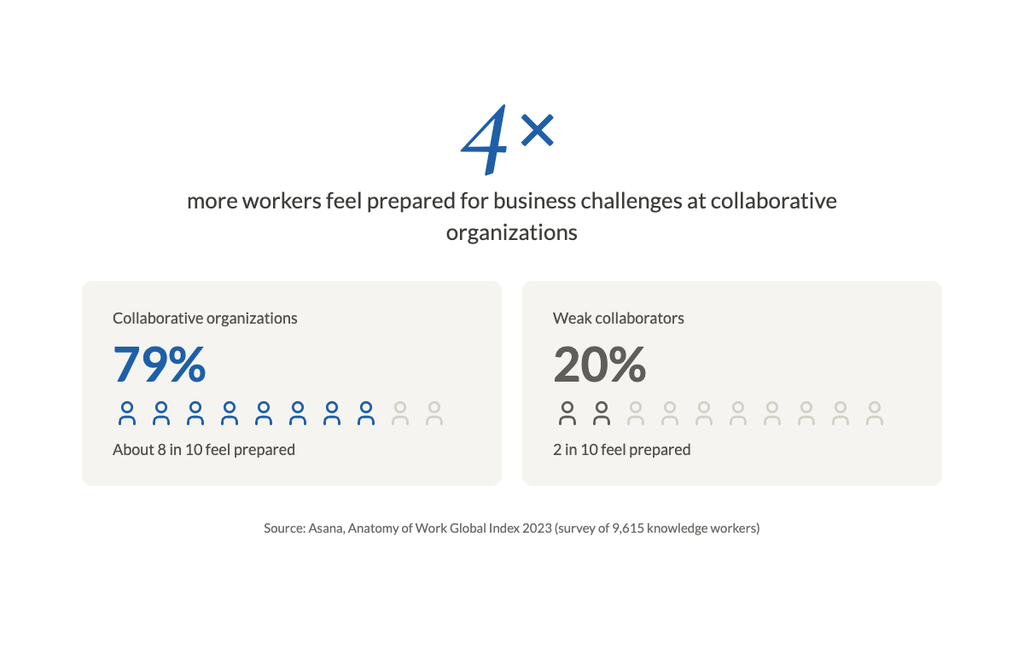
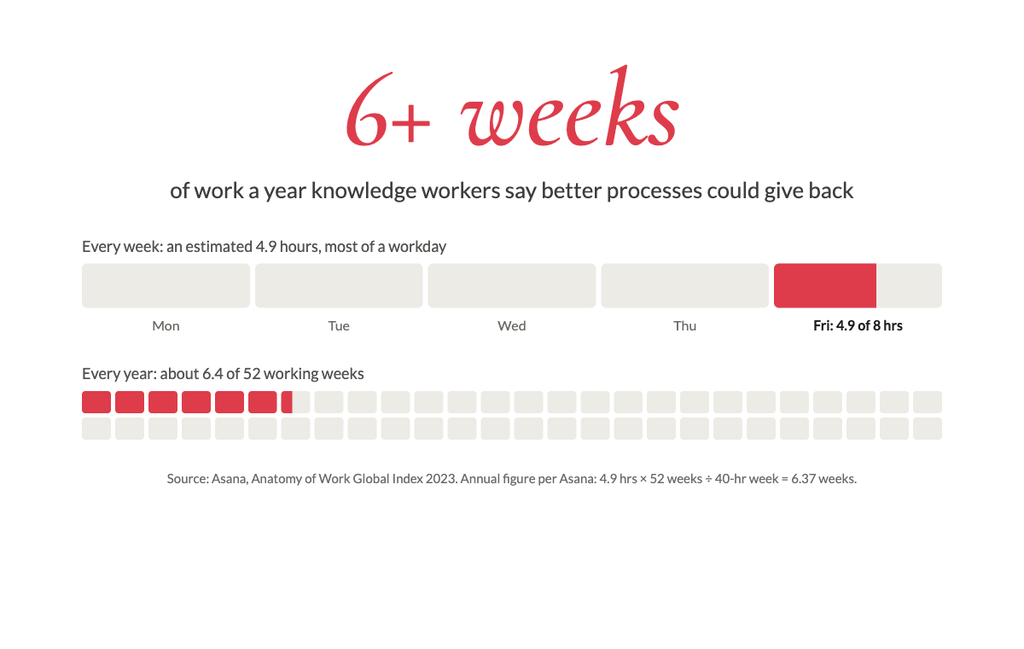
The research isn’t specific to agencies, but it reinforces an important principle: effective collaboration helps organizations adapt.
The advantage: Faster alignment, more responsive execution, and fewer unnecessary obstacles between idea and implementation.
3. You Get Senior‑Level Thinking, Not Just Senior‑Level Introductions
Great marketing requires more than beautiful design or clever copy.
It requires an understanding of the business problem behind the assignment.
Why are we doing this? Who are we trying to reach? What behavior are we trying to influence? And how will we know whether it worked?
One potential advantage of boutique agencies is that senior strategists, creative leaders, and experienced practitioners can remain actively involved throughout the engagement. Rather than operating exclusively in an oversight capacity, they may participate directly in shaping solutions. That proximity can help keep strategy connected to execution. Because a great strategy that gets lost somewhere between the kickoff meeting and final deliverable isn’t much of a strategy at all.
The advantage: Experienced thinking that stays involved from the first conversation through the finished product.

4. Fresh Perspectives Are a Competitive Advantage
Here’s a question worth asking: Would you rather work with an agency that has solved the same problem the same way 100 times—or one that knows how to approach familiar challenges from a different angle?
There’s value in both experience and fresh thinking.
Boutique agencies working across multiple industries and business models can bring ideas from one category into another.
A customer-experience approach from hospitality might inspire a healthcare communications program. A consumer-brand storytelling technique could strengthen a professional-services campaign. A digital experience developed for one audience might reveal opportunities for an entirely different market.
Cross-industry experience doesn’t eliminate the need to understand your business. It expands the possibilities once that understanding is established. The best creative thinking often happens when different disciplines, perspectives, and experiences intersect.
The advantage: Broader thinking, unexpected connections, and ideas that don’t look exactly like everyone else’s.
5. More of Your Investment Goes Toward the Work
Let’s talk about budgets.
Every marketing leader wants to maximize the value of their investment. But the lowest hourly rate or smallest proposal isn’t necessarily the best deal.
The real question is: What are you getting for your money?
Boutique agencies may operate with leaner organizational structures than large agency networks, potentially reducing certain overhead costs. That can create opportunities to direct more resources toward strategy, creative development, production, and execution.
But agency size alone doesn’t guarantee lower pricing or better value. A sophisticated boutique agency may charge premium rates for experienced talent, and rightly so. What matters is transparency, efficiency, and the relationship between investment and outcomes. Consider the cost of unnecessary meetings, excessive revisions, delayed decisions, and disconnected teams.
Efficiency has real business value.
The advantage: The potential for a more efficient operating model and a stronger return on your agency investment.
6. Collaboration Isn’t a Department. It’s the Way You Work.
Great work rarely happens in isolation.
Strategy informs creative. Creative shapes digital experiences. Digital performance generates insights. Those insights improve the next round of strategy.
When these disciplines collaborate effectively, the result is more cohesive work. Boutique agencies often have an opportunity to build integrated, cross-functional teams without the silos that can emerge in larger organizations. That doesn’t mean every boutique agency is automatically collaborative. Culture and leadership still determine how well teams work together. But when collaboration is intentional, the benefits can be significant.
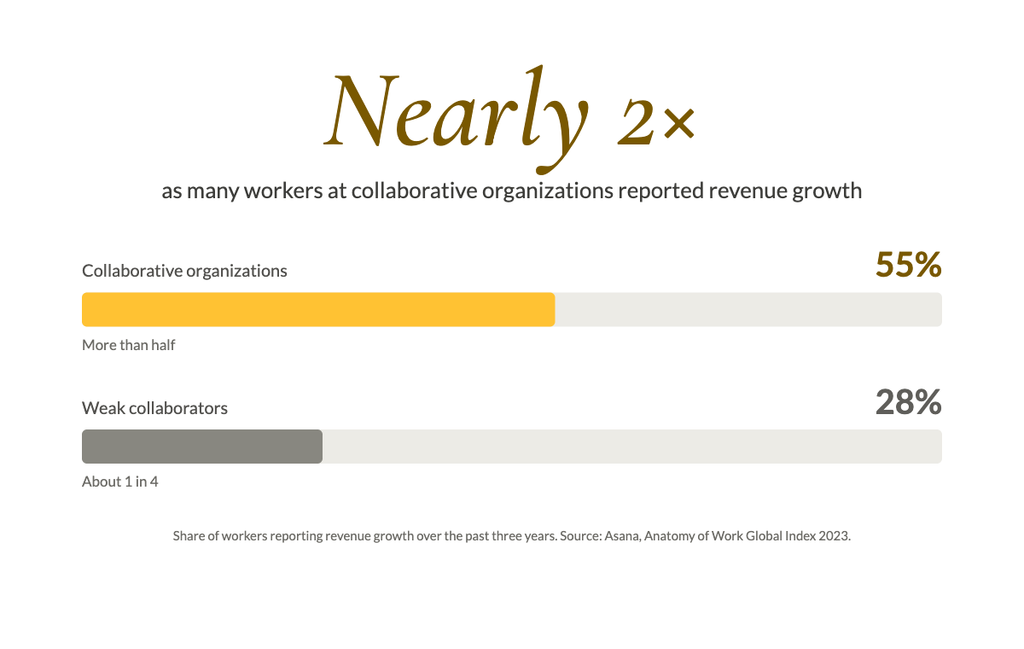
That’s an association, not proof that collaboration alone caused growth. Still, it makes a compelling case for prioritizing connected teams.
The advantage: Better communication, stronger alignment, and more cohesive solutions.
7. You Get a Team That Grows With You
A great agency relationship shouldn’t have to start over every time your business evolves.
Maybe today you need a new brand identity. Six months from now, you’re launching a website. Next year, you’re expanding into new markets or introducing an entirely new product or service. The right agency should be able to adapt as your needs change. Some boutique agencies offer broad capabilities internally. Others extend their teams through carefully selected production partners, technical specialists, or other collaborators.
What matters is having a trusted partner who understands your brand, your goals, and your business well enough to help you determine what comes next. And sometimes the most valuable thing an agency can do is tell you what you don’t need.
That’s not just good service. That’s good partnership.
The advantage: Continuity, institutional knowledge, and scalable support aligned with your business priorities.
Boutique Agency vs. Large Agency
Which Is Better?
The answer depends on your organization’s needs, objectives, and preferred working relationship. Large agencies may be particularly well suited for organizations requiring extensive global infrastructure, large-scale media buying, or highly distributed operations. Boutique agencies may be especially attractive to businesses seeking direct access to experienced talent, streamlined collaboration, creative flexibility, and a highly engaged partnership.
Neither model guarantees better outcomes.
The best agency is the one with the right capabilities, culture, processes, and commitment to your success.

Five Questions to Ask Before Choosing an Agency
Before making your decision, ask:
- Who will actually work on our business?
Understand the team beyond the pitch presentation. - How do you connect strategy to execution?
Look for a process that ties deliverables to business objectives. - How will we communicate and make decisions?
Clarify access, responsiveness, responsibilities, and approvals. - How do you scale when our needs change?
Ask about capacity, capabilities, and extended resources. - How will we define success?
Establish meaningful outcomes before the work begins.
These questions will tell you far more about a potential partnership than the size of an agency’s office or its employee directory.






FAQs About Boutique Marketing Agencies
Boutique marketing agencies often provide personalized service, direct access to senior-level talent, faster decision-making, and closer collaboration. Their streamlined structures can help reduce unnecessary layers of communication while keeping strategy, creativity, and execution closely aligned. The result is a more responsive, accountable agency partnership focused on business objectives.
Absolutely. Many boutique agencies manage large-scale, multi-channel marketing initiatives through integrated teams and trusted strategic partners. Depending on their capabilities, services may include brand strategy, creative development, digital marketing, website design, content creation, and campaign execution. Agency size doesn’t necessarily determine project capacity; the right expertise, resources, processes, and project management do.
Boutique agencies may operate with lower overhead and more streamlined organizational structures, potentially creating cost efficiencies. However, lower pricing isn’t guaranteed, nor should it be the primary consideration. The greatest value comes from experienced talent, efficient execution, transparent pricing, and work that delivers meaningful business results.
The primary differences often involve organizational structure, client relationships, and service delivery. Large agencies may offer extensive global networks and specialized departments, while boutique agencies typically emphasize direct collaboration, flexibility, and personalized attention. Both can deliver exceptional work. The best choice depends on your organization’s goals, project requirements, and preferred working relationships.
No. While some boutique agencies focus on specific industries, others serve a diverse range of businesses and organizations. Cross-industry experience can be a significant advantage, allowing agencies to apply fresh perspectives, proven strategies, and creative approaches across different markets. A versatile boutique agency can combine broad marketing capabilities with a deep understanding of each client’s unique business challenges.
Start by evaluating the agency’s strategic capabilities, creative portfolio, client relationships, communication practices, and ability to deliver measurable results. Ask who will work directly on your account, how the agency approaches complex challenges, and whether its capabilities can scale with your business. Look for a partner that understands your objectives, challenges your thinking, and demonstrates genuine accountability.
C&A Brands combines strategic thinking, creative execution, and personalized collaboration through its three complementary businesses: C&A Digital, C&A Health, and C&A Publishing. With 15 years of experience serving organizations across industries, C&A brings diverse capabilities and perspectives to brand development, marketing, communications, digital experiences, and publishing. Our boutique approach prioritizes meaningful relationships, responsive service, and creative solutions designed around each client’s business goals.
Let’s Work Together
Ready to make work worth the standard?
Let’s discuss how our expertise in healthcare, publishing, and digital can drive your next chapter.
The C&A Advantage
Big Thinking.
Personal Commitment.
Real Impact.
At C&A Brands, we’ve spent over 15 years building a different kind of agency experience.
One grounded in strategy, powered by creativity, and strengthened by relationships.
Through C&A Digital, C&A Health, and C&A Publishing, we bring together complementary capabilities to help organizations communicate more effectively, build stronger brands, create meaningful experiences, and tell stories worth sharing.
We work across industries, audiences, and business challenges because great ideas shouldn’t be confined to a single category.
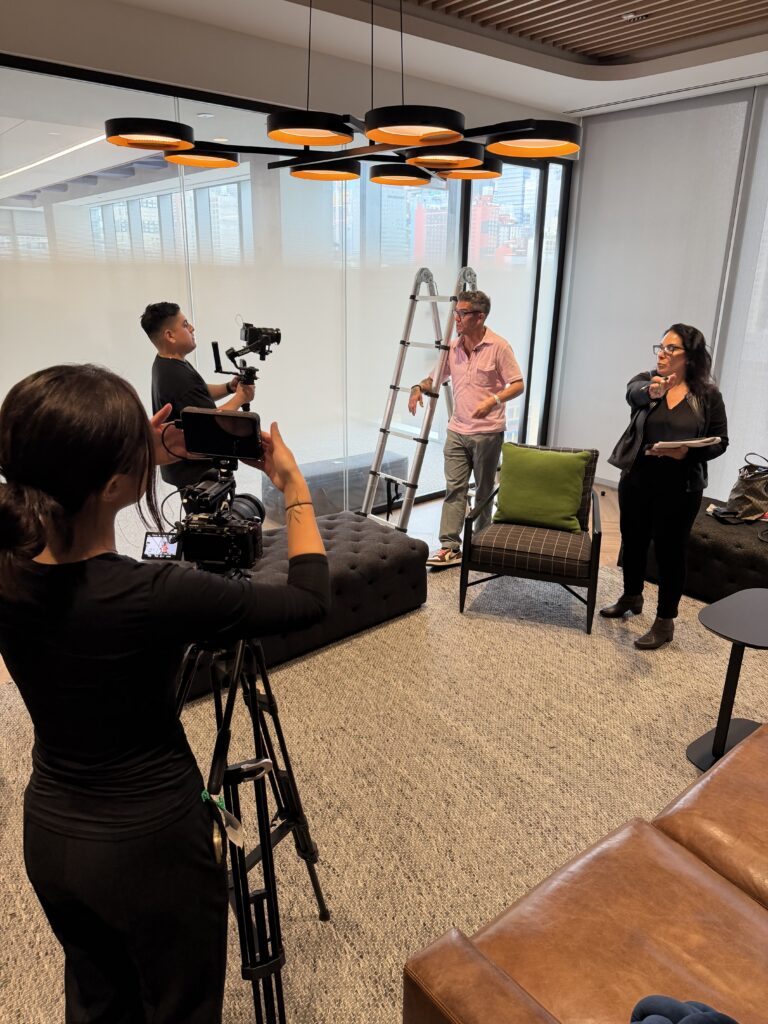
Three Brands. One Commitment to Big Ideas.
Different challenges demand different capabilities. Through three complementary brands, C&A brings together strategic thinking, creative talent, and a hands-on partnership to help organizations move forward.
C&A Digital
Strategy First. Creativity Always.
Great marketing doesn’t start with a deliverable. It starts with understanding the business. C&A Digital transforms complex challenges into compelling brands, integrated campaigns, digital experiences, and creative solutions that connect with audiences and drive business forward.
Big ideas. Beautifully executed.
C&A Health
Complex Challenges. Clear Thinking. Meaningful Impact.
Healthcare communications demand more than creativity. They require strategic clarity, precision, and a deep understanding of the audiences that matter. C&A Health combines market access expertise, payer-focused strategy, and compelling creative to help healthcare brands communicate value with confidence.
Where healthcare complexity meets creative clarity.
C&A Publishing
Your Story Deserves More Than a Manuscript.
Every great book begins with an idea worth sharing. C&A Publishing helps authors, entrepreneurs, executives, and thought leaders transform that idea into a professionally developed, beautifully designed, published book. From the first page to the finished product, we make the publishing journey personal, purposeful, and achievable.
Your vision. Your voice. Your book.
Our philosophy is straightforward: understand the business, challenge conventional thinking, bring the right people to the table, and create work that makes a difference.
We believe clients deserve direct relationships, thoughtful recommendations, responsive teams, and creative partners who care about the outcome—not just the deliverable.
And while we’re proud to be boutique, we don’t believe that means thinking small.
Quite the opposite.
The Bottom Line
Think Big. Partner Smart.
The future of marketing isn’t about who has the biggest agency.
It’s about who brings the greatest value.
The right agency partnership should challenge your thinking, strengthen your brand, simplify your life, and help move your business forward.
Sometimes that partner is a global agency network.
And sometimes it’s a boutique team with big ideas, deep commitment, and a refreshing willingness to roll up its sleeves.
Because when the right people are at the table, there’s no limit to what you can create.
Let’s Work Together
Let’s Make Something Great Together.
Looking for an agency partner that combines strategic thinking, creative execution, and genuine collaboration?